


Florida is one of the most popular vacation destinations in the world. Families come here to enjoy our beaches, theme parks, sunshine, and beautiful vacation homes. Whether you’re staying in an Airbnb, VRBO, hotel, condominium, or resort, there is one thing every parent should think about before unpacking their suitcase:
Where is the nearest water?
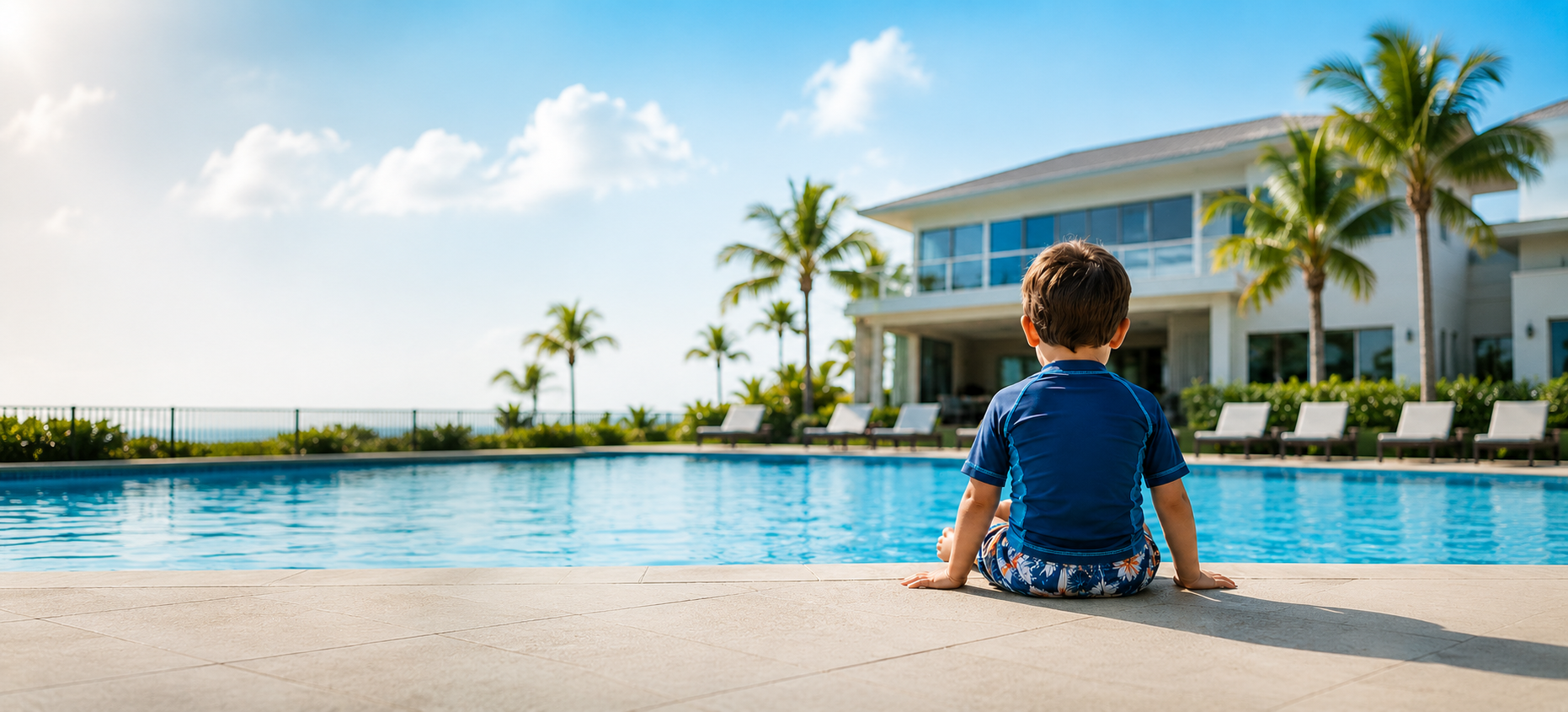
Many families don’t realize that Florida is surrounded by water. Even if your rental doesn’t have a swimming pool, there may be a canal behind the property, a retention pond next door, a decorative lake in the community, or the ocean just a short walk away. For young children—and especially children with autism or other developmental disabilities—these water hazards can become life-threatening in just moments.
Unfortunately, every year Florida sees heartbreaking drowning tragedies involving children who were simply here on vacation. Parents are in an unfamiliar environment. Doors are different, pools are more accessible, routines are disrupted, and children may wake earlier than expected or slip outside unnoticed. What was supposed to be a week of making memories can change forever in a matter of minutes.
Before you book your accommodations, ask a few important questions.
Does the property have a pool? Is it fenced? Are the gates self-closing and self-latching? If you’re staying in a vacation home or condo, are there alarms on doors leading outside? If you’re traveling with a child who wanders, ask whether the property has additional safety features or whether you can bring temporary door alarms with you.
Once you arrive, take ten minutes to inspect the property yourself. Walk the perimeter with all of the adults in your group. Identify every nearby body of water—not just the obvious ones. Look for canals, ponds, fountains, community pools, hot tubs, docks, and beach access points. Make sure everyone knows where these hazards are located.
If your child has autism or a history of wandering, assign sleeping arrangements carefully. Consider placing portable door alarms on exterior doors and bringing a GPS tracking device if your child uses one at home. Vacation is not the time to relax your safety routines.
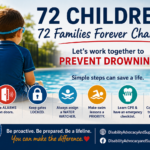
If your rental has a pool, establish family rules immediately. Designate a Water Watcher whenever children are near the water. That adult’s only responsibility is supervision—no phones, no conversations, and no distractions. Drowning is often silent and can occur in less than a minute.
Don’t assume that staying in a hotel eliminates the risk. Many hotels have pools that are open throughout the day and evening, and children can quickly wander from guest rooms if doors are left unsecured. Before settling in, locate the pool, identify emergency exits, and make sure every adult knows who is supervising the children.
Swimming lessons are another important layer of protection, but they are not a substitute for supervision. Even strong swimmers can experience fatigue, panic, or a medical emergency in the water. This is especially important for children with autism, as more than one-third also have epilepsy, and a first seizure can occur without warning.
Finally, prepare for an emergency before one happens.
- Save the address of your vacation property in your phone.
- Keep a charged cell phone nearby whenever children are swimming.
- Learn CPR before your trip.
- And make sure everyone traveling with you knows what to do if a child goes missing.
The happiest vacations are the ones where everyone returns home safely. A little preparation before your trip—and a few minutes spent checking your surroundings after you arrive—can dramatically reduce the risk of a tragedy.
At Disability Advocacy & Support Specialists, we encourage every family visiting Florida to make water safety part of their vacation planning. Because when it comes to children and water, preparation isn’t about expecting the worst—it’s about making sure your family enjoys the very best of your time together.
Safe vacations begin with a plan.