






The first quarter is behind us. Your child’s teachers have had time to learn about their strengths, interests, and support needs. Now is a good time to ask: What are the opportunities for my child to learn and participate more with peers without disabilities?
You don’t have to wait until next year to start that conversation. Here are five ways to make it productive.
1. Ask for a meeting with a clear purpose.
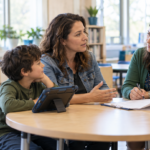
Let the school know you want to discuss your child’s progress and the supports your child needs to be successful. Ensure that a general education teacher is present (which is required by law, but often overlooked by school staff).
2. Start with your child’s strengths.
What subjects do they enjoy? When are they most engaged? Where do they connect with other students? These strengths can help the team identify meaningful opportunities.
3. Ask about learning—not just location.
Being in the room is a starting point. Ask how your child will participate in instruction, work with classmates, communicate, and receive support. Inclusion should involve more than a seat in the classroom. Inclusion without support for a student who spends most of their day in a special program classroom is not real inclusion. Supports must be provided. If they don’t need support, then perhaps they should be in regular education all day, every day.
4. Talk about what would make it work.
If the response is, “They’re not ready,” ask, “What does my child have to do to be ready?” It’s not about the child being “ready”, it’s about the staff being ready. Good inclusion requires staff to plan, train and orchestrate good teaching. Discuss accessible materials, communication tools, assistive technology, staff training, and collaboration between general and special education teachers.
5. Leave with a plan and a follow-up date.
Identify the next steps, who will be responsible, and when you’ll review progress. Look at learning, participation, friendships, and your child’s experience—not just whether they can sit quietly or complete work independently (50%+ kids in regular education can’t do that either). If changes to the IEP are needed, ask the team to address them.
For those who live in Florida, ask the school is they know about the Florida Inclusion Network. This is a FREE resource provided by the Florida Department of Education to schools. They train staff on the best practices of inclusive education, but many schools have never tapped into their resources.
The second quarter is an opportunity to build on what the team has learned. Start the conversation now.